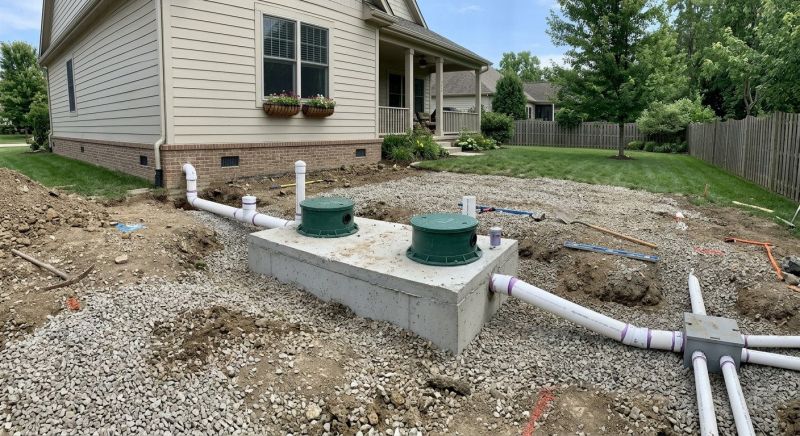
Septic System Relocation in Austin, TX
Septic system relocation services involve the process of moving an existing septic system to a new location on a property. This type of project is often necessary when property owners plan significant renovations, additions, or improvements that interfere with the current septic placement. It can also be required if the original system is failing or needs to be updated to meet current standards. The work typically includes assessing the property, designing a new system layout, excavating, and installing the septic components in the new location, ensuring proper function and compliance with local regulations.
Homeowners considering a septic system relocation should understand the importance of proper planning and site evaluation before requesting services. Key factors include the suitability of the new site, distance from wells, buildings, and property lines, as well as soil conditions and drainage. Clarifying these details in advance helps determine the scope of the project and ensures the new system will operate effectively. Contacting a professional for an assessment can provide valuable insights into feasibility, potential challenges, and the necessary steps to successfully complete the relocation.
Many property owners in Austin, TX look into Septic System Relocation for repairs, replacements, upgrades, and appearance-related improvements.
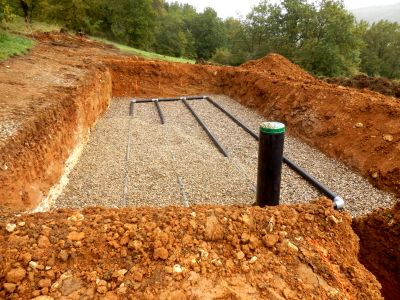
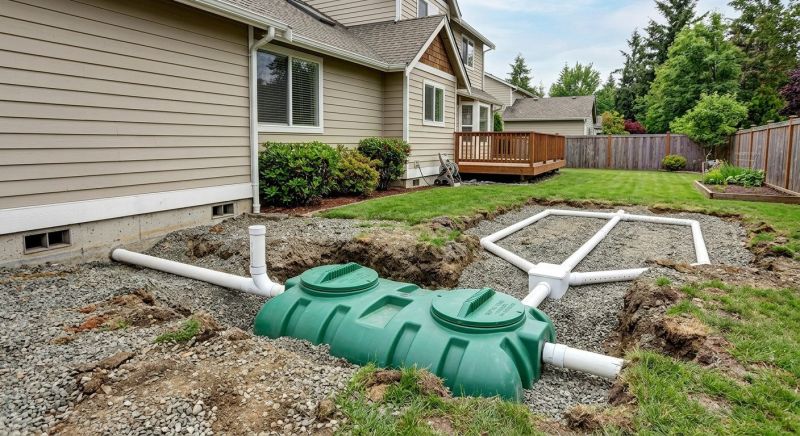
Septic System Relocation Planning
Proper planning ensures the new system meets property and code requirements.
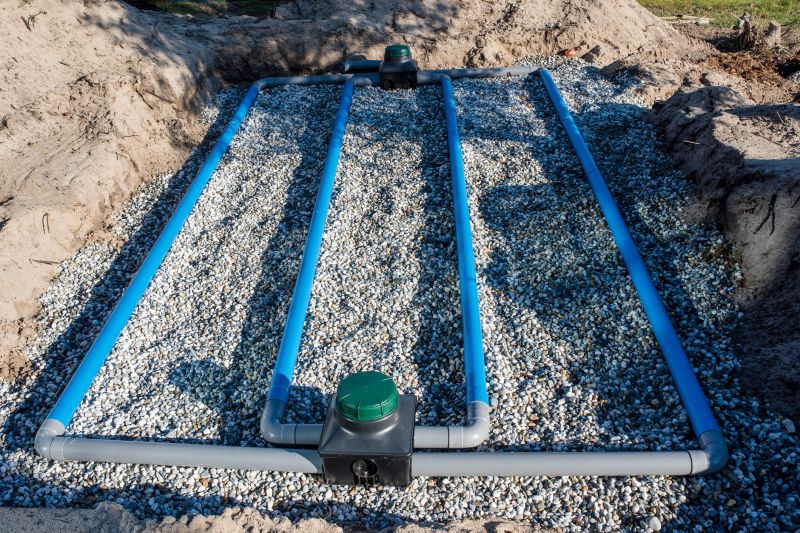
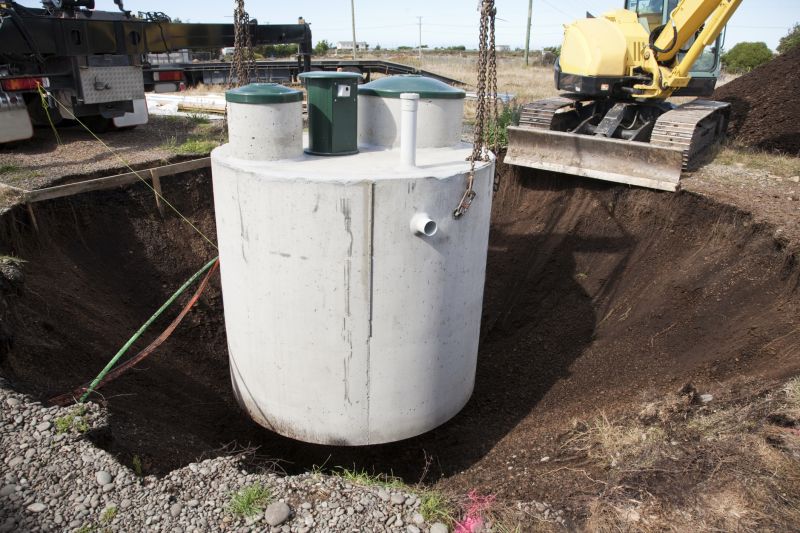
Preparation And Site Assessment
Assessing soil conditions and space helps determine the best location for the new septic system.
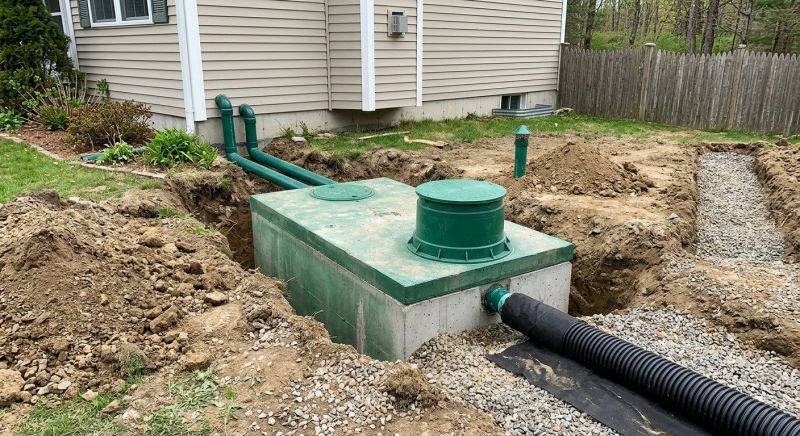
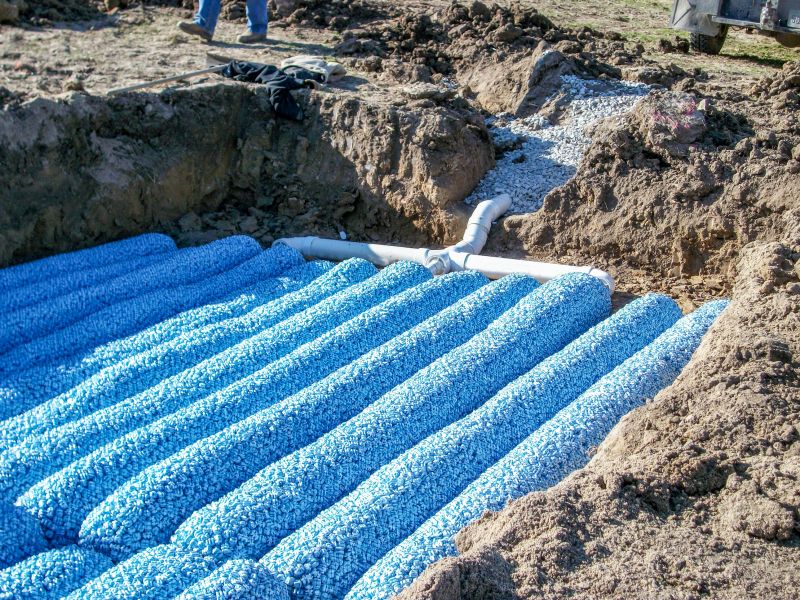
Installation And System Setup
Relocating a septic system involves careful excavation, connection, and testing for reliable operation.
Septic System Relocation in Austin, TX

Septic system relocation services involve the process of moving an existing septic system to a new location on a property. This type of project is often necessary when property owners plan significant renovations, additions, or improvements that interfere with the current septic placement. It can also be required if the original system is failing or needs to be updated to meet current standards. The work typically includes assessing the property, designing a new system layout, excavating, and installing the septic components in the new location, ensuring proper function and compliance with local regulations.
Homeowners considering a septic system relocation should understand the importance of proper planning and site evaluation before requesting services. Key factors include the suitability of the new site, distance from wells, buildings, and property lines, as well as soil conditions and drainage. Clarifying these details in advance helps determine the scope of the project and ensures the new system will operate effectively. Contacting a professional for an assessment can provide valuable insights into feasibility, potential challenges, and the necessary steps to successfully complete the relocation.
Many property owners in Austin, TX look into Septic System Relocation for repairs, replacements, upgrades, and appearance-related improvements.
Common Septic System Relocation Jobs
Septic System Relocation - safely moving a septic system to accommodate property changes or new construction.
Property Expansion Projects - relocating septic tanks to support additions or renovations on the property.
Drainage and Grading Adjustments - adjusting septic system placement to improve drainage and prevent flooding issues.
Site Reconfiguration - repositioning septic components to optimize space and functionality on the property.
Environmental Compliance - ensuring septic system relocation meets local health and safety regulations.
Pre-Construction Prep - relocating septic systems before new construction begins to avoid interference with building plans.
Septic System Relocation Questions
What is involved in septic system relocation? The process includes assessing the site, planning a new location, excavating, and installing the system to meet property needs.
Why might a septic system need to be relocated? Reasons include new construction, site development, or addressing issues with the current system’s placement.
What should property owners consider before relocating a septic system? It’s important to evaluate soil conditions, distance from structures, and local regulations for proper installation.
How does the relocation process affect property use? Relocating a septic system may require temporary access adjustments and site modifications during installation.
Request Septic System Relocation in Austin, TX
Use the quote form on this page to share the basics of your project and request more information for the type of work you need.